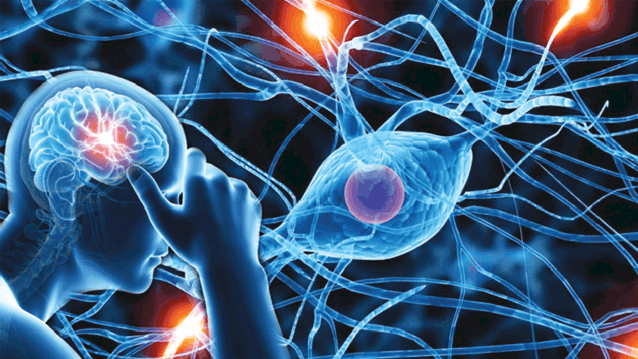
One way the body keeps things running is through an intricate web called the nervous system. If something interferes with its signals, problems may arise – these are what doctors call neurological disorders. Affecting the brain, spine, and nerve pathways, these issues sometimes disrupt how people move, think, feel. Medical progress has brought better understanding along with more ways to treat them. Still, across the world, such conditions weigh heavily on public health.
A look into what leads to brain-related health issues unfolds here – how they show up, how doctors spot them, how different forms behave, along with paths taken to manage them. Clarity around these challenges comes through examining each piece step by step.
Understanding Conditions That Affect the Brain and Nervous System?
Starting off, neurological problems cover illnesses hitting the nervous system. The brain and spine make up one part – called the central zone – while nerves spreading everywhere else form another. Some issues come on light, maybe even fade fast. Others take a harsh turn, sticking around or putting lives at risk.
A few brain-related conditions come from inherited traits, yet some emerge after sicknesses, accidents, daily habits, or outside exposures. Knowing how they work matters a lot when spotting signs early and handling them right.
Common Types of Neurological Disorders
One thing after another – neurological conditions pop up in countless forms, every one acting different. Take a look at several seen often
1. Alzheimer’s Disease
Memory and thinking skills slowly decline over time with this illness. Around the world, it ranks high among reasons people develop dementia.
2. Parkinson’s Disease
Shaky motions show up first, yet rigidity follows close behind. Movement grows harder to control because balance falters without warning. Coordination slips away while muscles resist smooth transitions.
3. Epilepsy
Seizures that keep coming back mark this condition. Brain signals go haywire, firing off without rhythm. What happens next unfolds differently each time. Erratic pulses disrupt normal function. This pattern repeats, wave after wave. Nerve cells misfire, sparking sudden shifts. The mind stumbles, briefly lost. Electrical storms build where they should not. Each episode resets the clock. Unpredictable bursts define its course.
4. Multiple Sclerosis (MS)
Messing up signals between brain and limbs, because defenses turn inward – stripping insulation from nerve pathways. Body parts misfire when messages get lost along damaged lines. Protection meant to shield nerves becomes a target instead. Communication falters as the system confuses self for threat.
5. Stroke
Blood flow to the brain stops without warning – this harms brain tissue. When it happens, getting help fast makes a difference.
From headaches to memory lapses, each condition shapes lives differently based on where nerves struggle. How movement falters or thoughts stall reveals the unique footprint of brain and spinal challenges.
Neurological Disorders Causes
The causes of neurological disorders vary widely and can include:
Genetic Factors
Genes carry certain illnesses across generations – Huntington’s disease is one example. A parent can pass it to their child without warning. This pattern shows up in family histories more than once. Inheritance plays a clear role here, quietly moving from one generation to the next.
Infections
Meningitis or encephalitis might follow when microbes invade the nervous system. Sometimes viruses take hold, other times bacteria do. The brain bears the impact either way.
Lifestyle And Environmental Influences
What you eat matters, yet skipping workouts piles on risks. Toxins lurk in some environments – meanwhile habits like smoking dig deeper into brain health. Substance misuse nudges the odds higher without warning. Each choice plays a role, even when effects wait.
Injuries
When the brain suffers trauma, lasting nerve problems might follow. Spinal damage often leads to similar ongoing issues. These conditions change how signals travel through the body. Recovery varies widely from one person to another. Some functions may never return fully.
Degenerative Processes
Over time, a number of brain-related conditions get worse because neurons slowly break down.
Symptoms to Watch For
Symptoms of neurological disorders depend on the specific condition but often include:
- Persistent headaches
- Muscle weakness or paralysis
- Loss of coordination
- Memory problems
- Seizures
- Changes in speech or vision
- Numbness or tingling sensations
Spotting these signs early really matters. Getting help when needed often leads to better results, plus a clearer path forward.
Medical Diagnosis And Evaluation
Finding out about brain and nerve problems starts with a close look at health history. A doctor might check symptoms by using some of these ways, one after another
Medical Background and Body Check
Looking at what a person feels plus their relatives’ health can point toward likely issues.
Imaging Tests
Fine details inside the head and back column show up clear through tools such as MRI or CT imaging.
Electrodiagnostic Tests
Flickering patterns on a screen show how neurons fire, offering clues to disorders including seizures. Brain waves captured this way can point doctors toward problems like recurring convulsions.
Laboratory Tests
Checking blood or fluid around the spine might show signs of infection or inherited traits.
Finding the right problem comes first when handling brain and nerve issues well. Though spotting it fast helps, getting it exact matters more than speed alone.
Treatment Options
Folks dealing with nerve system problems might need different care, based on what’s wrong, how bad it is, right now. Medicines often help ease symptoms, sometimes they fix root causes too. Therapy sessions build skills lost after injury or illness strikes. Devices like implants tweak brain signals when drugs fall short. Lifestyle shifts play a part, especially when habits fuel the problem. Doctors may suggest changes in daily routine if stress piles up. Surgery steps in only when other paths run out of options
Medications
Medication might ease things like soreness, fits, or tight muscles. Though it won’t fix everything, relief can come in small doses now and then. Sometimes a pill shifts how the body reacts when nerves misfire or joints lock up.
Physical Therapy
Movement gets easier when muscles grow stronger, while balance tends to follow. Coordination sharpens over time because practice shapes how limbs respond together.
Occupational Therapy
Makes it easier for people to handle everyday tasks on their own. Independence grows when support fits personal routines. Doing things alone feels more possible with the right help nearby.
Surgery
Sometimes surgery helps take out growths, fix harm done to the body, or ease stress on nerve pathways.
Lifestyle Changes
Sometimes food choices matter most when it comes to handling how you feel each day. Movement throughout the week tends to shift energy levels in quiet but noticeable ways. Calm moments built into routine often help steady thoughts during harder hours. Steering clear of certain habits removes extra weight from an already full system.
Even when a full recovery isn’t possible, some therapies make daily living much easier. Still, progress varies from person to person – yet relief often shows up in small ways.
Stopping Problems Before They Start
Some brain conditions might not be avoidable. Yet taking specific actions may lower your chances. Staying active helps protect nerve function over time. A balanced diet supports mental sharpness as you age. Getting enough sleep plays a role in long-term brain health. Managing stress carefully can make a difference too. Regular checkups catch early warning signs before they grow
- Maintain a balanced diet rich in nutrients
- Exercise regularly
- Your head needs guarding against harm
- Manage chronic conditions like diabetes and hypertension
- Steer clear of cigarettes. Heavy drinking? Not a good idea either
Small daily routines add up, shaping how well the mind holds up over time while possibly reducing chances of nerve-related problems later on.
The Role Of Research And Technology
Right now, tools shaped by tech progress help spot and manage brain-related health issues faster. From smart algorithms to devices that link minds with machines, fresh approaches show promise. Some treatments even deliver medicine exactly where needed – no guesswork involved. What once seemed out of reach is slowly becoming real through steady science work.
Facing rising cases of brain-related disorders, groups such as the WHO keep pushing for deeper study along with wider public understanding. Though complex, these efforts aim to track patterns across countries while encouraging open sharing of findings. Progress often depends on how well nations cooperate without waiting for emergencies to strike.
Living With Neurological Disorders
Hard days come often when nerves misfire, hitting both those diagnosed and everyone close to them. Yet comfort shows up in quiet ways – through listening ears, steady doctors, sometimes just knowing help exists nearby. A shared meal after appointments matters. So does finding someone who remembers your name at the clinic each week.
Facing challenges does not mean walking alone – groups that offer support, someone to talk with, or structured recovery paths make space for growth. A different way forward opens when guidance shows up through shared experience, listening ears, or step-by-step rebuilding. Life reshapes itself around limits once tools appear in forms like community circles, regular check-ins, or tailored routines.
Conclusion
Some brain and nerve problems change how people live every day. Though signs might start small, they sometimes grow into serious issues. Spotting trouble early helps get things moving in the right direction. Care plans work better when started on time. Knowing what brings them on matters just as much as noticing warning signs. Simple choices like sleep, food, movement play a role too.
Medical research moves forward, so new treatments might become possible one day. Because understanding grows, spotting symptoms early helps many live better lives across the globe.