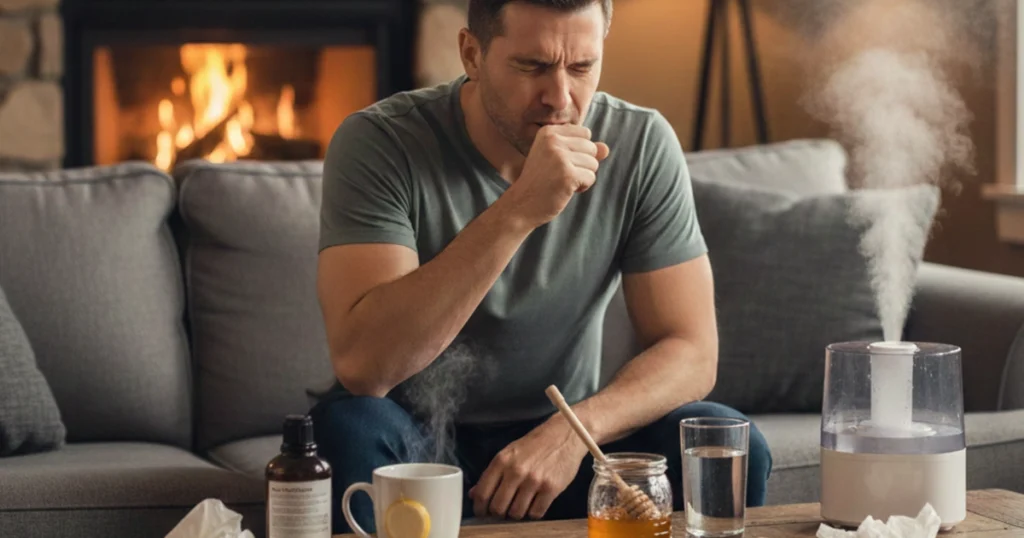

Pain is an inevitable part of life, whether it arises from injury, illness, or chronic conditions. For millions of people worldwide, finding effective pain relief is crucial for maintaining quality of life and performing everyday activities without discomfort. Understanding the different types of pain, methods of pain relief, and strategies for prevention can empower individuals to manage their symptoms effectively.
Understanding Pain
Pain is a complex physiological and psychological experience. It serves as the body’s warning system, signaling that something is wrong. There are two main types of pain: acute and chronic. Acute pain occurs suddenly, often as a result of injury or surgery, and typically resolves as the underlying cause heals. Chronic pain, on the other hand, persists for months or even years, often without a clear cause, and can significantly impact mental health and overall well-being.
The intensity and perception of pain can vary greatly between individuals. Factors such as stress, anxiety, and prior experiences with pain can influence how it is felt. Understanding these variables is essential for determining the most effective methods of pain relief.
Common Causes of Pain
Pain can arise from numerous sources, including:
-
Injury or Trauma: Sprains, fractures, burns, and cuts are common sources of acute pain.
-
Medical Conditions: Arthritis, fibromyalgia, migraines, and neuropathy can lead to chronic pain.
-
Post-Surgical Recovery: Pain after surgery is common and often requires a combination of treatments for relief.
-
Inflammation and Infection: Conditions such as tendonitis or infections can cause localized pain.
Identifying the underlying cause of pain is critical to determining the most appropriate pain relief strategies.
Methods of Pain Relief
Pain relief can be achieved through a combination of medical treatments, lifestyle changes, and alternative therapies. Each approach has its benefits and potential drawbacks, and often a multidisciplinary approach yields the best results.
Medications for Pain Relief
Medications are among the most common methods for achieving pain relief. They range from over-the-counter options to prescription drugs, depending on the severity of pain:
-
Nonsteroidal Anti-Inflammatory Drugs (NSAIDs): Drugs like ibuprofen and naproxen reduce inflammation and provide moderate pain relief.
-
Acetaminophen: Commonly used for mild to moderate pain, acetaminophen works by altering pain perception in the brain.
-
Opioids: Reserved for severe pain, opioids are highly effective but carry risks of dependence and side effects.
-
Topical Analgesics: Creams, gels, and patches applied directly to the skin can provide localized pain relief.
While medications can be highly effective, they should be used responsibly and under medical supervision, especially opioids, due to the risk of addiction.
Physical and Lifestyle Approaches
Physical interventions often complement medications in achieving pain relief:
-
Exercise and Stretching: Regular movement strengthens muscles and joints, reducing pain caused by stiffness and inactivity.
-
Heat and Cold Therapy: Heat can relax muscles, while cold can reduce inflammation and numb pain.
-
Physical Therapy: Customized exercises and techniques help restore function and reduce chronic pain.
-
Massage and Chiropractic Care: These therapies can relieve muscle tension and improve mobility.
Adopting a healthy lifestyle, including proper nutrition and adequate sleep, can also support long-term pain management.
Mind-Body Techniques
The connection between mental and physical health is significant in pain management. Techniques that target this connection can provide meaningful pain relief:
-
Meditation and Mindfulness: These practices reduce stress and help the brain process pain signals more effectively.
-
Cognitive Behavioral Therapy (CBT): CBT teaches coping strategies for chronic pain, helping patients manage emotional responses.
-
Acupuncture: This traditional practice can stimulate nerves and muscles to release natural pain-relieving chemicals.
Combining mind-body approaches with medical treatments often results in more comprehensive and sustainable pain relief.
Preventing Pain
Prevention is often the best strategy for minimizing the need for pain relief. Key measures include:
-
Maintaining Proper Posture: Especially important for back and neck health, proper posture reduces strain and pain.
-
Regular Physical Activity: Consistent exercise strengthens muscles, improves flexibility, and reduces the risk of injury.
-
Healthy Diet: Anti-inflammatory foods such as fruits, vegetables, and omega-3 fatty acids can lower pain associated with inflammation.
-
Stress Management: Chronic stress can amplify the perception of pain, making relaxation techniques essential.
By proactively addressing these factors, individuals can reduce the frequency and intensity of pain episodes.
When to Seek Professional Help
While occasional pain is normal, persistent or severe pain should prompt consultation with a healthcare provider. Warning signs include:
-
Pain that worsens over time
-
Pain accompanied by numbness, weakness, or loss of function
-
Pain that interferes with daily activities
-
Pain that does not improve with over-the-counter treatments
Early intervention can prevent minor issues from developing into chronic conditions and enhance the effectiveness of pain relief strategies.
Conclusion
Pain relief is a vital component of maintaining both physical and mental well-being. Understanding the causes of pain, exploring diverse treatment options, and implementing preventive strategies can empower individuals to live more comfortably and actively. Whether through medications, physical therapy, mind-body techniques, or lifestyle changes, effective pain relief is attainable. By prioritizing self-care and seeking professional guidance when necessary, people can manage pain effectively and reclaim their quality of life.
Pain relief is not just about eliminating discomfort—it is about enhancing function, mobility, and overall happiness. With the right combination of strategies, individuals can face daily challenges with confidence, resilience, and comfort.