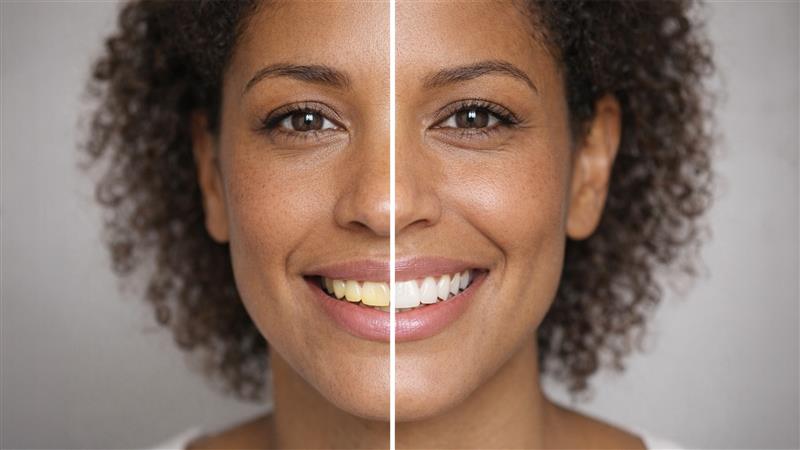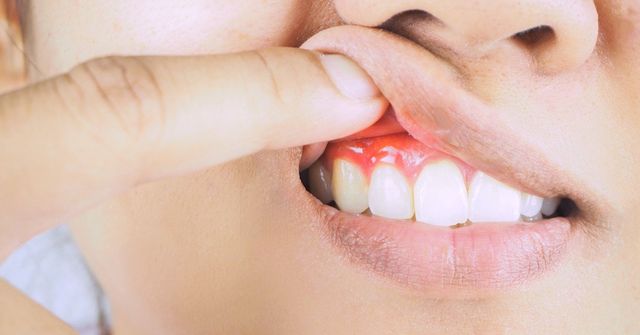

Teeth that hurt easily aren’t rare – one lot of folks everywhere deal with them. Hot drinks, ice cream, even citrus fruit might bring on quick jolts of ache, not just once in a while but often enough to mean something deeper is going on. This piece looks into why sensitivity shows up, walks through ways it can ease, shares everyday steps to keep it away – so your grin stays pain free and strong.
Understanding Tooth Sensitivity?
Teeth that hurt easily often have lost some of their outer shield, either enamel on top or cementum near the gums. That layer usually guards a softer part underneath called dentin. Tiny tunnels run through this dentin straight to the tooth’s inner nerve. When hot coffee hits it – or maybe something sour like lemon – those little channels carry jolts fast. The brain reads them as sudden ache. Nothing dramatic shows up visually, yet the reaction feels intense.
Sore teeth might seem unimportant to some. Yet when it drags on, chewing becomes tricky, sipping grows hard, talking sometimes hurts. Life feels heavier because of it.
Common causes of sensitive teeth
1. Tooth Enamel Erosion
That shiny covering on your teeth? It’s called enamel, nature’s shield against cracks and rot. When acid from sodas, oranges, or sour candies lingers, it eats away at this armor slowly. Brushing too hard adds to the problem, speeding up wear. Once the surface thins, the softer part underneath shows up – dentin – and things like cold air or sweet tastes start to sting. Every sip of cola, every lemon bite, chips a little more if habits don’t shift.
2. Gum Recession
Beneath the gum line, tooth roots sit bare when tissue pulls back. Since enamel does not reach these areas, sensitivity often follows. That open dentin reacts strongly to hot, cold, or touch. Infections in the gums may start the process, one reason among others. Too much force while brushing wears tissue down over time. Getting older also plays a part, slowly changing how gums fit around teeth.
3. Tooth Decay and Cavities
Falling apart inside, cavities weaken teeth so they react badly to cold or heat. Reaching deeper layers, the damage wakes up hurt through sweets or icy drinks. Pain shows up once the rot passes into softer parts below the surface.
4. Broken or Damaged Teeth
When a tooth splits open, hot or cold things sneak inside faster than normal. Tiny fractures – maybe from an injury or chewing too hard – slowly begin to sting during daily routines. Pain creeps in even when nothing seems wrong at first glance.
5. Dental Procedures
After getting certain dental work – like whitening, fillings, or cleaning – you might feel more tooth sensitivity for a while. This happens because the inner layers of teeth get exposed, or nerves react during treatment. Still, things tend to settle down on their own after several days pass by.
Diagnosing Sensitive Teeth
When teeth hurt often, seeing a dentist makes sense. A close look helps spot why they react badly – sometimes pictures inside the mouth are taken, tools might be used too. Getting it right means fixes match what is needed: maybe repairs, shields on enamel, or switching up how teeth get cleaned each day.
Treatments for Sensitive Teeth
1. Desensitizing Toothpaste
What stands between you and sharp tooth pain might just be a special kind of paste. Inside these pastes are ingredients that interfere with signals traveling from your enamel to the inner nerve. Over time – think weeks of steady brushing – the irritation begins to fade. Relief builds slowly, like a shield forming with each rinse.
2. Fluoride Treatments
Teeth stay stronger when fluoride boosts their outer layer, while shielding softer parts underneath. A visit to the dental office might include special fluoride that slows down enamel loss and eases discomfort over time. Rinses or gels used daily at home do a solid job protecting teeth too – no appointment needed.
3. Dental Restorations
When tooth sensitivity comes from deep decay, splits, or eroded outer layers, fixing the structure might be needed. A patch, cap, or adhesive layer helps shield inner parts once left bare. Pain often fades after such repairs begin working. Protection stops future breakdowns just as much as it eases current discomfort.
4. Gum Grafting
Gums pulling back often leads to sensitive teeth – grafting can step in here. Tissue, taken from you or someone else, gets placed over bare roots. That barrier keeps triggers away from inner layers, calming discomfort down. What once felt raw now has cover.
5. Lifestyle Adjustments
When it comes to handling sensitive teeth, everyday habits matter more than most think. Cutting back on sour-tasting drinks or snacks helps slow down damage to the tooth surface. Instead of clenching your jaw at night, finding ways to relax the mouth stops tiny shifts in gum lines. A gentle brush each morning – using softer bristles – keeps irritation low without scraping away protection.
Preventing Sensitive Teeth
Catching problems early beats fixing them later. A few smart habits go a long way in shielding your teeth
- Start each morning and night by brushing lightly using a brush with soft bristles. Floss every day since it removes hidden bits between teeth where trouble begins. A steady routine like this blocks rot and keeps gums strong over time.
- Steer clear of citrusy or sweet eats. These things can scrub away at your teeth’s outer layer while bothering the softer part underneath.
- A nighttime guard helps when grinding happens. Fitted pieces shield teeth from splitting. Protection keeps enamel safe during sleep.
- Spotting trouble early often happens when you visit the dentist regularly. These check-ins catch issues like cavities before they worsen. Gum problems show up too, sometimes without obvious signs. Hidden conditions linked to tooth sensitivity get noticed this way. Each appointment adds a chance to stay ahead of discomfort.
When To See A Dentist
Worse pain over time could mean trouble inside the mouth – maybe decay, a split in the tooth, or issues with the gums. When store-bought fixes fail to help, getting guidance from a dentist becomes key, simply because waiting might lead to bigger problems down the road.
Conclusion
Ouch. That sharp sting when sipping cold water? It might mean something deeper is going on below the surface. Think worn-down enamel, gums pulling back, tiny holes, or even small splits in teeth – each one a possible reason for the jolt. Instead of brushing it off, swapping regular paste for one made to calm nerves inside teeth could bring quiet. Fluoride treatments at visits also build armor where it’s thin. Fillings or caps fix damage, turning pain points into protected zones. Staying ahead means cleaning gently but thoroughly, avoiding acid-heavy drinks, watching bite forces. Catching signs early changes how things go later. Comfort returns slowly, then suddenly – chewing, laughing, living without wincing becomes normal again.
A sudden fix for tender teeth? Good habits at the sink make a difference. When brushing matters more, problems slow down – life feels better without sharp zings from cold drinks. Small shifts today often mean fewer surprises tomorrow.