Smiling with ease tends to boost how we feel about ourselves. Some folks seek brighter teeth, which explains why so many now explore whitening methods. More individuals are turning toward lightening their smile – whether through dentists or do-it-yourself approaches. Knowing what happens during treatment, plus possible upsides and downsides, shapes smarter decisions. Clarity on these details supports both healthy choices and how your grin looks day to day.
Teeth Whitening Explained?
Brighter smiles come from treatments that lift surface marks on teeth. Stains show up after years of drinking coffee, sipping tea, breathing smoke, or simply getting older. Chemical reactions break down discoloration, changing how white the outer layer appears. Some choose dentists for stronger results while others pick store-bought options found online or nearby shelves.
Whiter teeth? That’s the aim – looking better while keeping mouth parts unharmed. When people follow directions, today’s whitening stuff tends to stay out of trouble with enamel and gum tissue. Most grown-ups who want a nicer grin can try it without much worry.
Teeth Whitening Explained Simply
Whitening teeth usually involves bleach, often hydrogen peroxide or its cousin, carbamide peroxide. Inside the tooth, these substances dive through the hard outer layer, attacking discoloration at a deeper level. Stains get split apart – turned into tinier bits that show up far less. The outcome? A brighter look emerges without changing the actual structure.
Starting off, dentist-led whitening uses more powerful bleach formulas compared to store-bought versions. A person might see changes fast – sometimes after just one visit. Meanwhile, using strips or trays at home means weaker solutions are applied daily. Results tend to show up slowly, only after many days pass.
Teeth sometimes get a try at home fixes, like using baking soda, charcoal that’s been treated, or swishing oil around. Not every trick works strong – most fall short when lined up against store products or dentist visits.
Teeth Whitening Effects
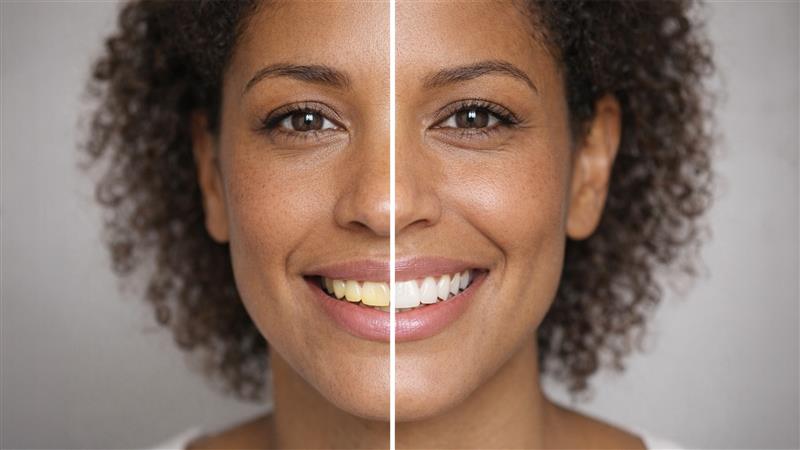
A smile brightens when stains fade. Results often show within days. Confidence tends to rise alongside lighter shades. People report feeling more ready for photos. Whitened teeth sometimes change how faces look overall. First impressions shift without a word spoken. Small changes bring noticeable differences
- Starting with a brighter grin often leads to feeling better about yourself. When your teeth shine, standing tall in conversations comes easier. Some notice it during meetings, others at gatherings – small change, big ripple. Looks aren’t everything, yet they shape first impressions quietly. Shifting how you view your reflection might just shift how you show up. Confidence grows in strange places – sometimes right alongside clean enamel.
- A fresh smile often comes from lighter teeth, something that shows up less often as people get older. Whiteness tends to fade over time, but bringing it back shifts how young someone appears. Looks change subtly when shades brighten, quietly affecting overall impression. Age brings deeper tones, yet reversing them slightly turns attention toward vitality instead.
- Stain removal happens when teeth whitening lifts away discoloration from daily eating and drinking. Lifestyle factors like coffee or smoking leave marks – these fade with treatment. The process targets outer layer spots brought on by what you consume. Over time, repeated exposure to certain substances darkens enamel; whitening reverses that effect. Results depend on how deep the staining goes, yet surface-level changes show quickly. What sticks to teeth from meals or routines tends to dissolve under active ingredients.
- Fine when guided – whitening tends to pose little risk if a trained person oversees the process.
A brighter smile might push someone to care more for their teeth. Because they’ve spent time on it, brushing each day feels worth the effort. Flossing becomes part of that routine too, just to keep things looking good.
Teeth Whitening Variations
Whitening teeth can happen different ways, yet every option brings unique benefits along with things to think about.
1. Professional In-Office Whitening
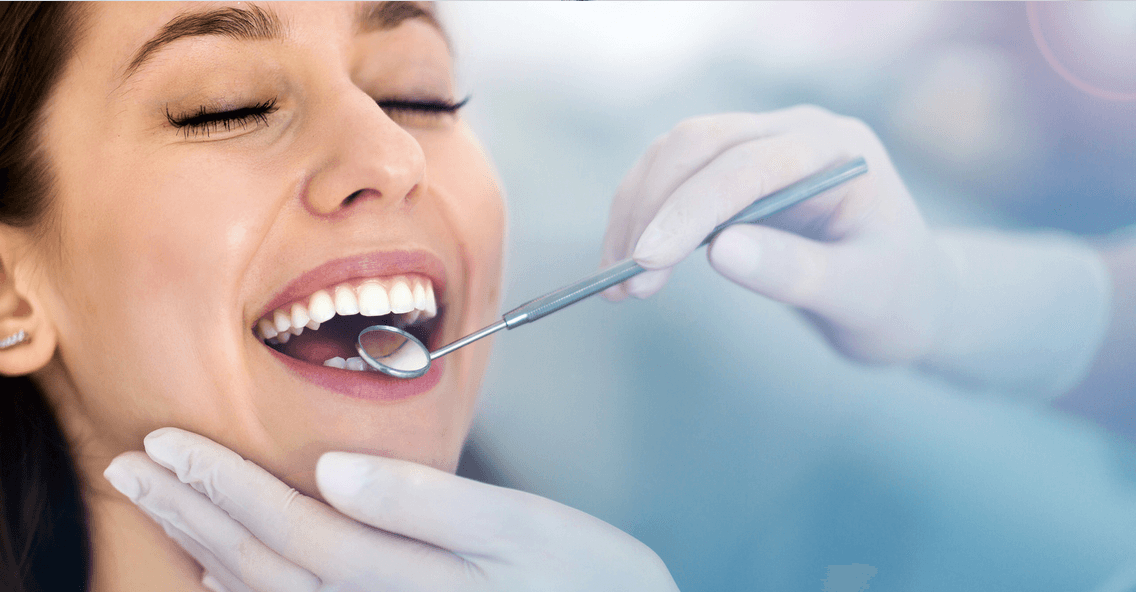
One trip to the dental chair might mean brighter teeth fast. A professional handles the process with strong whitening formulas. Light or laser tools can step in to boost outcomes. Results usually show clearly after only a session.
2. At-Home Whitening Kits
Home tooth whitening can start with items bought off the shelf. Products like strips, gels, or mouth trays make it possible without a dentist visit. They fit easily into daily routines while costing less than professional treatments. Still, changes take time – days pass before any difference shows up. Progress comes slow, yet steady, when using these methods regularly.
3. Natural Remedies
Not everyone reaches for bleach – some grab baking soda instead. Hydrogen peroxide gets swished around by others hoping for a brighter smile. Oil pulling floats into routines now and then too. These choices tend to be gentler on tooth coating. Strong discoloration often ignores them though. Results, when they show up, arrive quietly.
4. Whitening Toothpaste
Stains on teeth start to fade when tiny scrubbing particles in whitening paste go to work. Not quite matching dentist visits, yet still useful between those brighter smiles later on.
Risks and Considerations
Even so, while brightening your smile feels good, knowing what could go wrong matters just as much
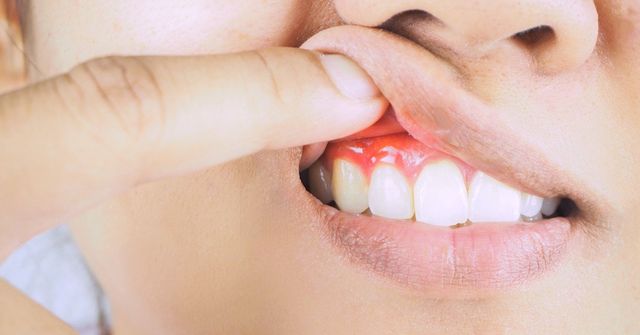
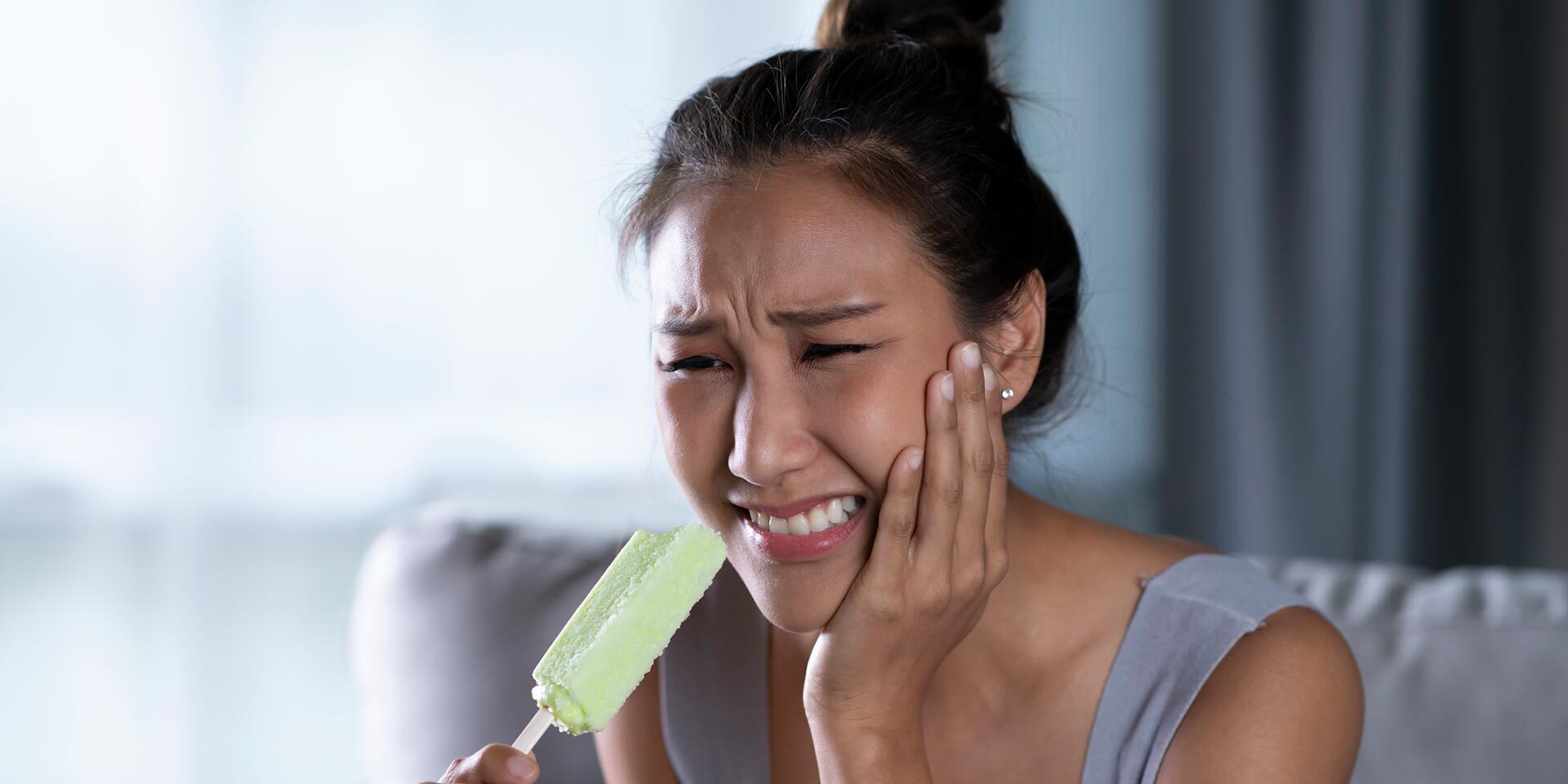
- Pain when biting down might pop up after whitening treatments begin. That happens because bleaching chemicals sometimes irritate nerves inside teeth briefly. A milder formula could ease things. Another path? Try brushing with paste made for tender teeth before going further.
- Sensitive gum tissue can react when bleach touches it by mistake. A trained expert helps prevent such issues. That kind of care keeps things safer.
- Some teeth look patchy after whitening because crowns or fillings stay the same shade while natural tooth around them lightens. Bleach works on real enamel only, leaving old work behind like a stubborn stain that won’t budge.
- Too much whitening stuff might harm tooth coating. Sensitivity could stick around if you keep using it too often.
A visit to the dentist first makes whitening safer, particularly when problems like tooth decay or sore gums are present. While results can vary, professional guidance helps avoid harm during the process.
Maintaining Your Bright Smile
A bright smile sticks around only if you stay on top of things every day. Try these ideas: rinse after meals, skip staining drinks when possible, brush twice, swap your toothbrush often, chew sugar free gum between brushes, drink through a straw sometimes, get cleanings done regularly
- Foods and drinks like coffee or red wine can leave marks on your teeth – dark sauces do too. Watch what you sip or eat if you want to keep shades lighter.
- Every day, take time to brush then follow with floss – this clears away sticky plaque. Over time, skipping it leads to yellowing, so staying consistent helps keep stains at bay.
- Now and then try a brightening toothpaste or small repair kit to keep things looking fresh.
- Visit the dentist routinely so they can track how your mouth is doing along with getting a thorough cleaning. A steady pattern of appointments helps catch issues early while keeping buildup under control.
Sticking to these habits means your bright smile could last not just weeks, but stretches into years. A small shift each day keeps the results fresh much longer than expected.
Conclusion
A brighter smile often starts with something simple – lightening your teeth. Though it works well for many, knowing what happens during treatment matters just as much as the outcome. Some visit dentists, others try kits at home, while a few test natural options instead. Each method brings different results, yet all share one thing: possible side effects if ignored. Brushing daily and avoiding stain-heavy foods helps stretch the glow longer. When cared for, whiter teeth tend to stay that way for months. First impressions shift when people see your grin – it changes how they respond. Confidence sometimes hides in small details like tooth color. For those wanting change without drama, this could fit quietly into routine life.
Smiling comes easier when teeth shine brighter, almost like a quiet boost from within. Confidence grows not from looks alone but from feeling aligned with yourself. A whiter smile? That can be part of taking time, choosing small acts that add up. Hesitation fades when reflection meets intent.