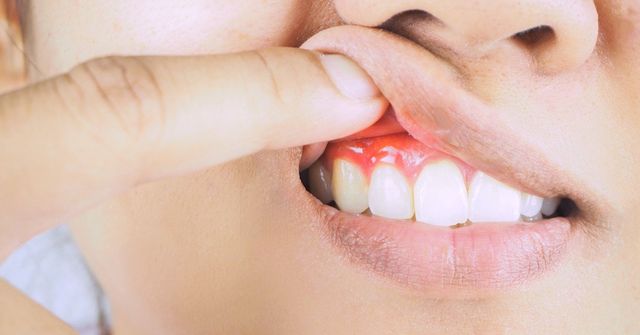

Most folks everywhere deal with rotting teeth at some point, no matter their age. Without notice at first, damaged teeth might get worse when ignored. Because hidden harm grows unseen, spotting the reasons behind rotten spots matters deeply. Catching signs early helps stop deeper trouble later on. Knowing fixes exist makes facing issues less daunting down the road. Smiles stay stronger when care comes before pain does.
Understanding Tooth Decay?
Bacteria in your mouth create acids that wreck tooth structure, a problem called decay or cavities. The tough outside shield of teeth – enamel – gets eaten away when acid attacks begin. After that barrier falls, damage slips deeper, reaching softer parts like dentin and pulp beneath. Pain shows up fast once inner tissue gets involved. Infections take hold easily when rot moves inward. Without care, losing the tooth becomes likely.
Tooth Decay Causes
Bacteria often start the trouble when mouth care slips. What follows? A steady decline fueled by sugary foods instead of better choices. Plaque builds up if brushing stops happening regularly. Weak spots grow on teeth once acid attacks begin. Each bite of candy feeds the problem without warning. Little changes add up until damage shows clearly
1. Bacteria and Plaque
Bacteria live in the mouth – some cause no trouble at all. Yet when specific types find sugar from meals or beverages, they turn it into acid, slowly wearing down the hard outer layer of teeth. Repeated exposure leads to holes forming right through that surface. A gooey coating clings to teeth throughout the day, sheltering microbes while boosting how much damaging acid they release.
2. Sugary and Acidic Foods
Every time you eat sweets or drink soda, tiny invaders get stronger on your teeth. Fruit juice might seem healthy, yet it still feeds those troublemaking germs. These bugs munch on sugar then produce acid that wears down enamel slowly. Over days, repeated exposure chips away at the hard surface like dripping water on stone. Cutting back on candy means fewer feasts for bacteria lurking around. Swapping fizzy drinks helps too – less sour punch hitting the teeth matters more than most notice. When meals skip heavy acids, the mouth gets space to rebalance quietly.
3. Poor Oral Hygiene
Each time you skip cleaning between teeth, gunk sticks around longer than it should. When bristles slide across enamel morning and night, they sweep away what clings after meals. Food bits left behind feed tiny invaders that chew through defenses slowly. String pulled between molars once per day clears spots brushing misses entirely. Without these habits running regularly, trouble finds an open door.
4. Dry Mouth
Fewer droplets in your mouth? That changes everything. When medicine dries things out or health issues slow spit flow, acid sticks around longer. Tiny bits of leftover meals stay put instead of getting swept away. Decay creeps in when protection fades. Less rinse means more risk.
Symptoms of Tooth Decay
Dark spots might show up on teeth. Pain could begin when eating something sweet, hot, or cold. A tooth may feel tender if pressure is applied. Tiny holes become visible over time. Bad breath sometimes lingers without reason. The gum near the tooth swells a little. Sensitivity grows slowly. Chewing becomes uncomfortable in one area. An odd taste stays in the mouth
- Pain in a tooth showing up out of nowhere, no clear reason behind it
- Sensitivity to hot, cold, or sweet foods
- Visible pits or holes in the teeth
- Brown, black, or white staining on the tooth surface
- Pain when biting down
Spotting these signs early means simpler treatments can work well. A quicker response often leads to improved results down the line.
Avoiding Tooth Decay
Brushing teeth every day helps stop cavities before they start. When you eat less sugar, bacteria get fewer chances to grow. Floss once a day – this clears spaces brushing misses. Drinking water after meals washes away bits of food stuck behind. Toothpaste with fluoride strengthens enamel over time. Chewing sugarless gum wakes up saliva flow between brushes. Skipping snacks means mouth stays drier longer. Regular dentist visits catch small issues early. Using a soft brush protects gums while cleaning deep
1. Maintaining Healthy Teeth And Gums
Every morning and night, grab a brush with fluoride paste to shield your teeth. Flossing comes into play once each day, doing quiet work between them. This routine builds up enamel, making it tougher than before. Tiny spots of damage get a chance to heal when fluoride shows up.
2. Regular Dental Checkups
Visiting your dentist on a regular schedule helps catch cavities before they grow worse. Because only a trained expert can clear away stubborn plaque, cleanings done in-office reach spots daily routines leave behind.
3. Healthy Diet
When you cut back on sweets and sour snacks, bad mouth germs get less to feed on. A meal plan filled with veggies, milk-based items, whole grains helps keep teeth strong. Saliva flow gets a boost from chewing gum without sugar, helping fight tooth damage.
4. Dental Sealants Usage
Tiny shields go on the biting parts of molars. Because they block gunk and germs from hiding in cracks, tooth decay happens way less often – kids get the biggest benefit here.
Treatment of Tooth Decay
When a tooth starts to rot, what happens next hinges on how deep the harm runs. If it is caught fast, swishing with fluoride mouthwash might set things right. Sometimes, minerals sneak back into the enamel when given the chance through special pastes or gels. But once the soft inside of the tooth shows signs of trouble, repairs take more than rinsing. A dentist steps in at that point – fillings or crowns become the path forward. Each stage answers differently to care.
1. Fillings
Lots of tiny holes in teeth get fixed when pros take out the soft, damaged part – swap it with stuff like plastic mix, metal blend, or pure gold. These patches bring back how the chomper works while blocking rot from spreading.
2. Crowns
If a tooth suffers deep decay, it might need a crown. These caps go all the way over, offering support plus shielding – they also bring back how the tooth looks. Sometimes just one piece can do so much without drawing attention.
3. Root Canals
When rot gets deep into the center of a tooth, treatment often shifts toward saving it through internal repair. Inside access allows removal of damaged soft material, clearing space for thorough cleaning. Once cleaned out, the hollow area is carefully shut off from bacteria trying to return later.
4. Tooth Extraction
When a tooth is too damaged to fix, removing it might be needed. Following that, an implant or bridge could fill the gap left behind.
Conclusion
Most people know cavities can be avoided, yet they still happen far too often. Because bacteria feed on sugar, each meal impacts your mouth more than you might think. When plaque builds up, it eats away at enamel slowly – silence before the ache begins. Brushing twice daily helps, especially when paired with flossing every night without fail. Instead of sugary snacks, choosing fruits or cheese changes the game over time. Dentists catch trouble long before pain shows itself during routine visits. Damage deepens quietly unless interrupted by care someone decides to prioritize. Healthy teeth support clearer speech, better digestion, even how faces light up mid-laugh. Small habits today shape what smiles look like decades down the road.
Few realize how much tooth decay reveals about mouth wellness – it’s more than surface level. Staying ahead means daily attention, sure, yet the payoff shows up in strong teeth, clean breath, even confidence when smiling.