Worldwide, long-term health conditions rank among top reasons people die or face limitations daily. Sudden sicknesses strike fast yet fade soon – these do not. Lasting months, sometimes decades, they shape routines deeply. Care needs never really stop, weighing on personal well-being along with community systems. Grasping how such illnesses start, behave, and respond to care shifts what we can expect from health efforts. Clarity here builds better days ahead.
Chronic Diseases Explained?
Long-lasting health problems usually start slow, then get worse little by little. Most aren’t spread between people since germs don’t cause them. Things like heart trouble, breathing issues, cancer, and high blood sugar show up often. Instead of one single reason, genes mixed with habits and surroundings play a part. Life changes sharply when these stay around, shaping how someone feels day after day.
A lasting illness often stays for life, unlike those that fade fast. Managing it means regular doctor visits along with daily changes in how you live. Spotting signs early makes a difference down the road. Staying ahead of symptoms helps avoid worse problems later.
Common Types of Chronic Diseases
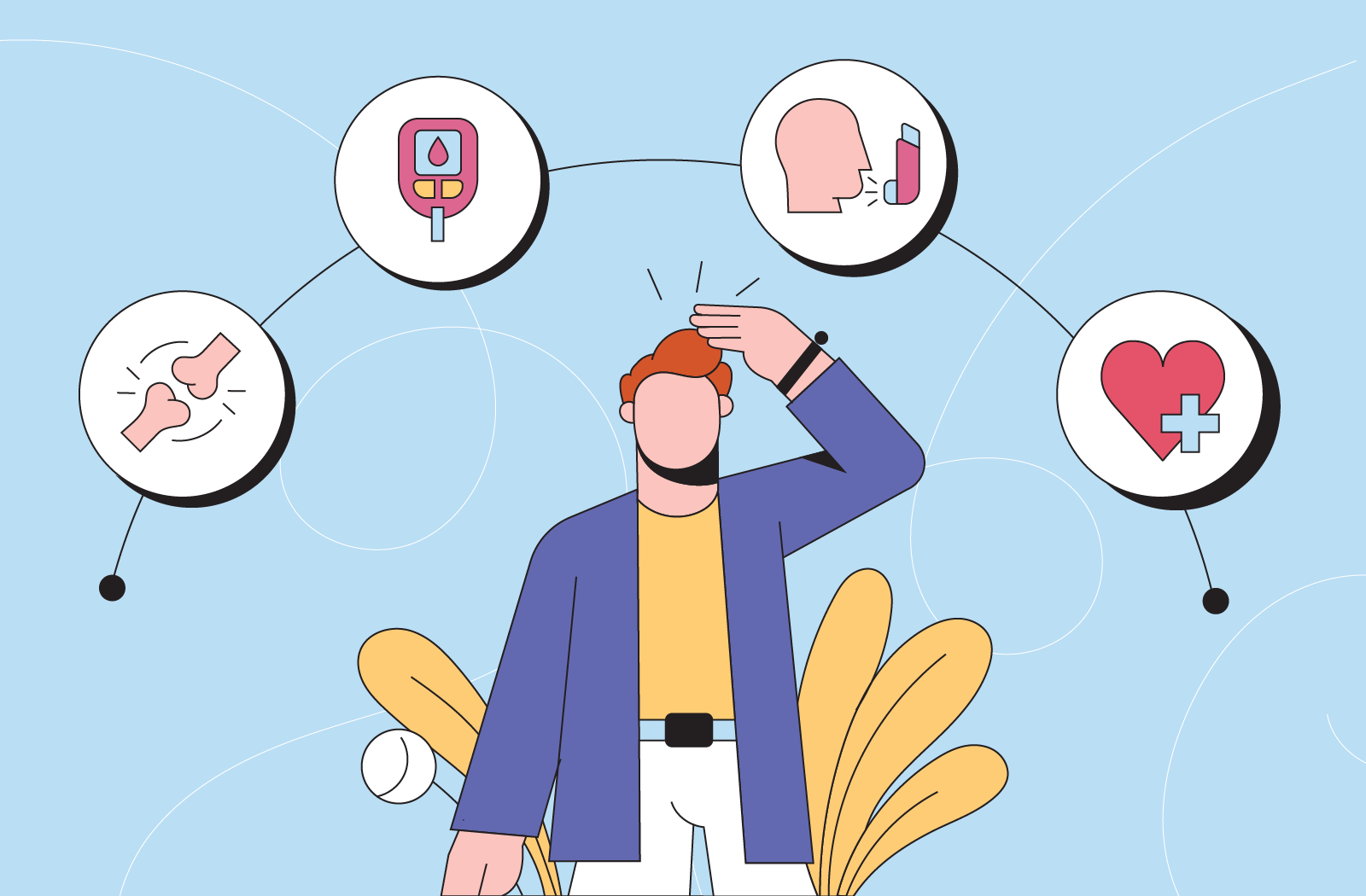
Heart trouble shows up a lot these days, often causing serious problems. Diabetes sticks around long term, bringing along tough complications. Breathing issues like COPD slow people down day after day. High blood pressure creeps in quietly, damaging bodies over time. Kidney disease follows closely, usually tied to other ongoing conditions
- Cardiovascular Disease
- Heart problems and strokes top the list of deadly conditions worldwide. High numbers show they connect closely to things like raised blood pressure or too much bad cholesterol in the body. Smoking plays a part, also carrying extra weight does too. These elements stack up, making trouble more likely over time.
- Diabetes
- Body struggles to manage insulin when someone has diabetes, a long-term condition. Most folks deal with type 2, which often shows up alongside too much weight, little movement, or meals lacking balance.
- Chronic Respiratory Diseases
- Clogged air passages often stem from issues like asthma or COPD, which twist the breath into something strained. When smoke fills the lungs day after day, damage builds without warning. Polluted air, breathed over years, pushes the body past its limit.
- Cancer
- It might take years for some types of cancer to advance, which is why they’re seen more like ongoing health conditions. What you do every day, where you come from genetically, even what surrounds you – these things matter when it comes to risk. Over time, small influences add up, shaping how likely someone is to face illness.
- Mental Health Disorders
- Long-term struggles with mood and worry show up differently for everyone. Some find steady counseling helps, others lean on daily habits just as much. Treatment paths twist through prescriptions, talking sessions, small changes at home. Relief sometimes hides in routine, sometimes in surprise shifts no one expects.
Causes And Risk Factors
Lingering health issues tend to come from many things at once, not just one trigger. Key players often mix genetics with lifestyle choices, while environment slips in quietly behind. A person’s habits might team up with their background, whereas daily routines tag along too. Past experiences sometimes pair with present actions, yet unseen influences linger beneath. Pressure builds slowly through small repeated patterns instead of sudden shocks
- A person might face higher chances of illness when relatives have had conditions like diabetes or heart trouble. Genes passed down can play a role in how likely someone is to develop similar health issues. Past patterns in the family tree often hint at what could come later for others nearby. Risk rises not because it must, but because shared biology sometimes carries familiar weaknesses.
- Skipping meals often, sitting too much every day, using tobacco, along with drinking too much alcohol – these habits quietly raise the odds of long-term health problems. What you do each day adds up without warning. Small routines shape outcomes more than most realize. Body systems respond slowly until they cannot keep pace.
- Sunlight fades paint on old walls – years of dirty air, risky homes, weak safety at work slowly wear down health. Breathing thick city fumes feels normal until lungs struggle. Dust piles in corners where workers never stop moving. Quiet damage builds when warnings get ignored too long.
- Fewer years usually mean fewer health problems – time passing tends to bring more risks. Old age often comes with a longer list of possible long-term illnesses.
- Besides income level, gaps in medical care, healthy meals, or learning chances often raise vulnerability. Though not always visible, these hurdles quietly shape outcomes over time.
Spotting these signs early makes a difference. When habits shift, check-ups happen on time, yet neighbors step in with aid, fewer people face long-term health struggles. A quiet change here, consistent attention there – pressure eases where it once built.
Symptoms and Diagnosis
Heavy breathing troubles come with long-term lung issues, along with constant coughs or whistling sounds when inhaling. Unseen shifts might hide behind high pressure in arteries, revealing themselves only once damage is done. Weight dropping without reason could signal something deeper, maybe tied to ongoing tiredness or soreness that won’t fade. Too much need to drink water shows up sometimes, paired with endless trips to the bathroom instead of clear warning signs. What you feel depends entirely on which illness takes hold, each moving at its own pace.
Starting with past health records, doctors often move to body checks, then lab work. Catching things early matters because treatment works better when started sooner.
Managing and Treating Approaches
Dealing with long-term health conditions often means blending doctor-led care, daily habit shifts, one step at a time. Staying on track might involve regular check-ins, adjustments over weeks, sometimes months. Treatment plans usually mix prescriptions with small routines built slowly. Progress tends to come from consistency, not sudden fixes. What helps most is pairing professional advice with personal effort, day after day
- Some medicines can manage high blood pressure or keep glucose in check. These pills often target cholesterol too. A doctor might give them to handle certain signs of illness. Each drug works on specific health numbers. They are meant to steady what goes off balance inside. Treatment plans sometimes include these types of prescriptions.
- Fresh food choices help. Movement every day matters just as much. Tossing away cigarettes shifts things slowly. Cutting back on drinks plays a role too. Each change ties into handling long-term health issues.
- Most visits to doctors help catch problems sooner. When care teams see changes fast, they can tweak how they manage health needs. Watching things closely makes a difference down the line. Small shifts in symptoms guide better choices later on.
- Learning about your health helps you take charge. Talking with a counselor offers clear direction when things feel unclear. Group meetings create space to share what works. Knowing more brings confidence over time.
Chronic Diseases like specific types of cancer might require surgery or newer forms of therapy instead. Improving daily living comes first when managing illness, followed by slowing its growth while lowering chances of problems down the road.
Stopping Long Term Health Problems Before They Start
Stopping problems before they start beats fixing them later – this matters a lot when it comes to long-term health issues. Staying ahead often means eating well, staying active, getting check-ups on time, knowing your family history, making smart daily choices, keeping stress low, avoiding harmful habits, being aware of early signs, building strong routines, plus catching small issues before they grow
- Starting with food choices, meals built on fruit, greens, whole grains, or lean meats tend to lower chances of weight problems plus elevated cholesterol levels.
- Moving your body every day builds a stronger heart, better lung function, one muscle group at a time – weight stays more stable when motion becomes routine. Though small, consistent effort reshapes how you feel overall.
- Stopping smoking helps cut down health risks. Yet drinking less alcohol matters just as much. Not lighting up means better odds against illness. Still, keeping drinks in check supports that effort too.
- Starting early helps catch issues like high blood pressure before they grow. Spotting diabetes sooner means better control down the line. Cancer found at first signs often responds well to treatment.
- When pressure builds up, taking steps to calm the mind might stop long-term emotional struggles later on. Handling tension early often lowers the chance of deeper issues showing up down the road.
Safety in shared areas for movement matters when it comes to long-term health across groups. Getting real food within reach makes a difference too. Cleaner air and fewer toxins around help cut risks widely. These shifts outside the body shape outcomes just as much as choices inside it.
Social Effects of Long Term Illness
Heavy illness sticks around, shaping lives beyond just one person. Because of it, medical bills pile up over years, work slows down, people end up unable to function fully. Loved ones step in – feelings get strained, wallets too, when helping someone day after day. Pressure builds inside hospitals and clinics worldwide as more folks face ongoing health issues. Smart ways to stop problems before they start – and handle them well – are becoming harder to ignore.
Conclusion
Most long-term health problems stick around, needing steady effort day after day. Heart issues, blood sugar imbalances, emotional struggles – each one weighs heavily on people, homes, and clinics across the globe. Spotting how they start, what signs appear, which methods help control them – that knowledge makes a real difference when trying to avoid worse outcomes. Staying active, eating whole foods, talking to doctors before things worsen, joining community wellness efforts – all these steps lighten the load over time. Lives stretch further, feel better, when small choices add up quietly.
Living with long-term illness doesn’t mean life stops. Awareness opens doors, while knowledge builds confidence. Taking steps early changes outcomes – small choices often lead far. People adapt, adjust, then move forward. Full days remain possible, even when hurdles show up. Control is less about cure, more about rhythm. Each step counts, especially the quiet ones.