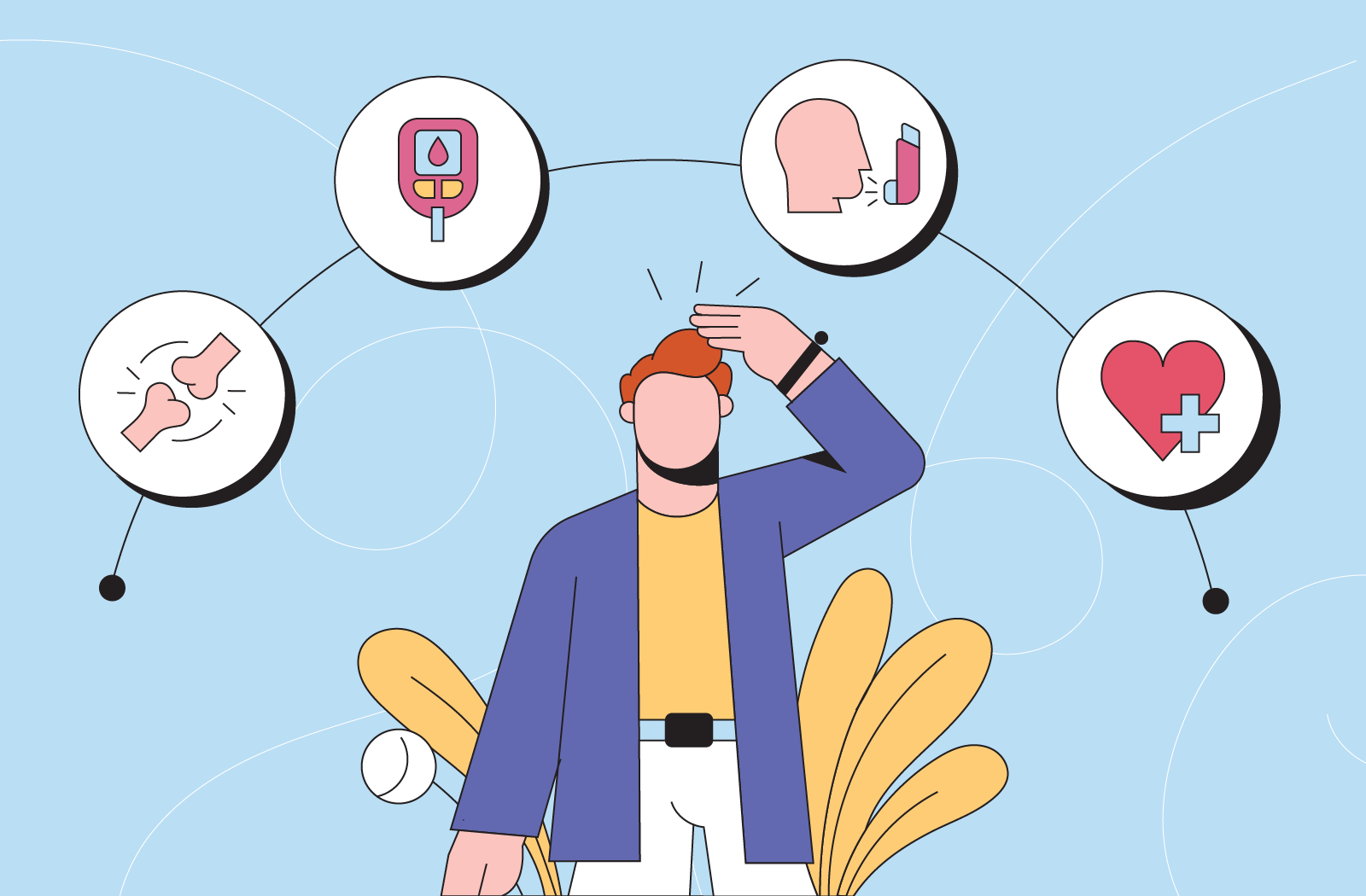

Something feels off. The body shows signs when trouble starts inside. Spotting those clues matters – timing can change outcomes. Think differently about what coughing means, or why fatigue sticks around. Each signal ties to a bigger picture needing attention. Some hints come fast; others hide slowly over time. Red marks, strange pains, shifts in energy – they’re not random. Doctors look close because patterns speak louder than guesses. Seeing clearly begins by noticing small changes first. Awareness grows best through observation, never assumption.
Signs of Illness Explained?
A feeling of discomfort can point to something wrong inside. What you notice in your body often matters more than what someone else sees. Pain might stay hidden, yet it speaks volumes when looked at closely. Tiredness without clear cause? That kind of signal shows up before anything worse does. Nausea slips under the radar for many, still it carries weight in understanding sickness. Doctors rely on reports from patients because some things cannot be measured with tools. Experiences like these shape how problems get named and handled later. Visible proof is not always needed when the body sends warnings loud enough.
Body changes often signal something is wrong. Spotting these clues early makes it easier to figure out what might be going on inside. Some signs show up fast and fade quickly, others stick around or get worse over time. One area might feel off, or several parts act up together without warning.
Types of Symptoms Seen in Diseases
Not every illness shows up the same way. Some signs group together by type
1. Physical Symptoms
Fever might show up alongside a rash, yet fatigue often tags along too. Coughing sometimes leads the way while shortness of breath trails behind. Swelling appears here; redness turns up there – each clue matters. Weight loss creeps in when appetite vanishes unexpectedly. Headaches linger where dizziness begins without warning
- Fever, indicating infection or inflammation.
- Few spots show up, maybe redness – could mean the body is reacting badly to something. Sometimes it’s a sign immune cells are attacking by mistake.
- Painful puffiness shows up after harm strikes, sometimes when sickness moves in. Swelling appears – quiet at first – then grows where damage settled overnight.
2. Sensory Symptoms
Strange smells might show up when something is wrong inside. A person could notice sounds that are not usually there. Vision changes can point toward hidden issues. Taste shifts sometimes come along with illness. Feeling textures differently may signal trouble too
- Vision changes such as blurriness or double vision.
- Sounds fading, or a hum that sticks around. Sometimes it’s just quiet where noise should be.
- Something odd happens when a virus moves through the body – flavors fade, scents disappear. A quiet shift, often after illness passes by. Not always noticed at first, yet common with certain bugs. Smells may vanish mid-recovery, meals turn flat without warning. This gap lingers, even when feeling better begins.
3. Neurological Symptoms
When something goes wrong in the nervous system, signs show up. These might point to trouble in the brain, the spine, or nerve pathways. Seizures can happen. Vision changes sometimes occur. Balance issues appear without warning. Muscle weakness creeps in slowly. Numbness spreads across limbs. Headaches stick around too long. Memory lapses begin out of nowhere. Tremors shake routine life. Speech stumbles mid-sentence. Coordination falters during simple tasks
- Headaches or migraines.
- Numbness or tingling in limbs.
- Memory loss or confusion.
4. Gastrointestinal Symptoms
Stomach troubles show up this way. Sometimes nausea tags along. Vomiting might follow after. Diarrhea appears without warning. Cramps twist through the gut. Bloating lingers longer than expected. Appetite fades slowly. Weight drops without effort. Nausea returns at odd times. Digestive confusion lasts days
- Nausea and vomiting.
- Diarrhea or constipation.
- Abdominal pain or bloating.
5. Respiratory Symptoms
Chest tightness might show up first. Trouble breathing often follows. A cough can linger without warning. Wheezing sometimes appears during exertion. Mucus changes may happen slowly. Shortness of breath could sneak in after small tasks
- Persistent cough.
- Shortness of breath.
- Some people feel a whistling sound when they breathe. Others notice pressure building across the front of their ribs.
Why symptoms of illness appear
Fever shows up when the body pushes back against invaders, not just because something went wrong. Swelling creeps in as inflamed tissues react, often tagging along with discomfort. What we Disease Symptoms are really signs of systems at work, not breakdowns. The immune crew jumps into motion whether it is injury, germs, or glitches inside. Pain tags these moments, marking where things shift.
What genes you inherit along with daily habits might shape how sick you get. Mild signs show up in some people, yet stronger ones appear in others. Spotting small warning hints fast – then acting – often ends in healthier results later.
When to Get Medical Help
Spotting illness clues fast helps get help sooner. Some warning signals can wait, yet others mean a doctor should take a look – like when changes feel out of the ordinary
- Fever stays high across multiple days straight.
- Something might be off if pounds drop without reason. Tiredness that sticks around could mean more than just poor sleep.
- Sharp discomfort might hit without warning. A shift in nerve function can appear fast. Pain becomes intense quickly sometimes. Nerves react suddenly, changing how things feel.
A log of how you feel each day – how often symptoms show up, how long they last, how strong they are – gives doctors clearer clues when figuring out what’s wrong. What matters most is noticing patterns over time, since small details add up in ways that shape diagnosis later on.
Lifestyle Affects How Disease Symptoms Show Up
Something often overlooked? How daily habits shape health. Take meals – eating poorly chips away at your body’s defenses. A weak shield means germs take hold easier, symptoms hit harder. Movement helps though. Getting active calms bodily fire, the kind that worsens illness. Rest matters just as much. When nights are short or fitful, healing slows down. Pressure from constant worry adds fuel too. Each choice, big or small, leans into how sickness unfolds.
When stress sticks around too long, it often makes health problems worse – things like constant headaches, stomach troubles, or rising blood pressure. Paying attention to your thoughts, learning how to relax on purpose, relying on people who care about you – these steps quietly soften the strain. Handling daily tension better doesn’t fix everything, yet it shifts how the body responds. The way we cope shapes what happens next.
Myths People Believe About Illness Signs
Some folks brush off odd feelings, thinking they’ll fade without help. Yet small warning signs sometimes point to hidden health issues needing care. Take constant tiredness – it could signal low iron, sluggish thyroid, or a quiet infection brewing underneath.
Just because something does not hurt does not mean everything works fine. High blood pressure or some types of cancer can grow quietly, giving almost no warning signs at first. That is why paying attention matters. Going in for regular checks helps catch what cannot be felt. Not every threat makes itself known right away.
Symptom Tracking Matters
A log of health changes might help someone notice patterns they otherwise miss. Writing things down each day could point toward better choices at doctor visits. Jotted notes about how a person feels may include timing, intensity, or what seems to make it worse. Details like sleep, mood, or activity levels often show up in these records. Over time, this record becomes something real to discuss with a healthcare provider
- How long it takes for signs to start showing up. How much time they stick around once they do.
- Factors that worsen or Disease Symptoms.
- Any patterns or triggers.
This data helps doctors spot likely health issues faster, while shaping care strategies that fit each person better. Still, choices get clearer when patterns emerge from details most overlook.
new tools spotting health signs
Fresh tech upgrades now help people watch their illness signs more closely. Instead of waiting, folks tap phone apps, wear gadgets that log body clues, while video chats link them straight to doctors. Real updates flow fast, so care teams spot shifts before trouble grows. Long-term illnesses gain clearer oversight since round-the-clock tracking cuts risks hiding in silence.
Conclusion
Most signs of illness serve as clues about how the body is coping. Spotting changes – like shifts in movement, sight, thinking, digestion, or breathing – can lead someone toward earlier doctor visits. Instead of waiting, noticing these signals may support better daily choices. Catching things early sometimes stops bigger problems down the road.
Listening closely to your body changes how you face sickness. Though certain signs seem small, together they might weigh heavily on well-being when overlooked. When one pays attention early, problems often stay smaller. Noticing what feels off helps avoid worse issues down the line. Health lasts longer when signals are taken seriously, not dismissed too soon.
When your body shows signs of illness, that is a chance to respond, stay safe, take steps. Noticing those changes early helps shape how well things go later on.